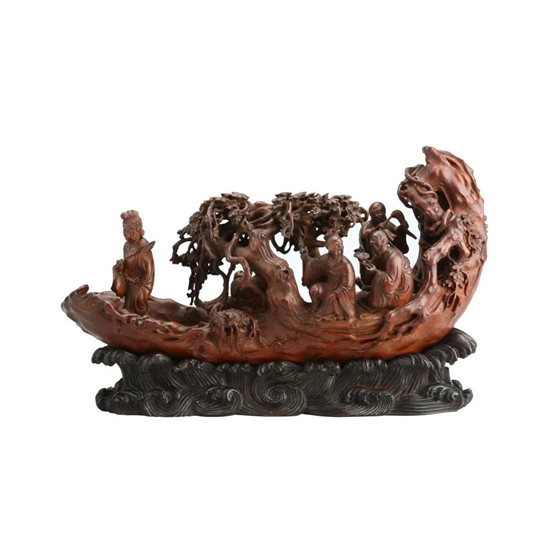
Bamboo Carving
Introduction
Bamboo carving is a traditional Chinese art form that involves the intricate and skillful carving of bamboo into various objects and ornamental designs. It has been an integral part of Chinese culture and art for centuries. Over the years, bamboo carving has evolved into a highly respected art form, known for its delicate craftsmanship and cultural significance.
History and Development
Origins and Historical Background
Bamboo carving in China gained prominence and reached its peak during the Ming (1368-1644) and Qing (1644-1911) dynasties, when many masters of bamboo carving emerged. The art form was highly esteemed, with craftsmen developing a variety of styles and techniques that have been passed down through generations.
During the Ming and Qing dynasties, bamboo carving was not only a means of artistic expression but also a symbol of cultural refinement. It was practiced by scholars and literati, who sought to capture the beauty of nature and the essence of life through their intricate works. The craft was primarily centered in areas south of the Yangtze River, particularly in Wuxi, which became a hub for bamboo carving.
Regional Styles and Techniques
Various regions in China developed their own distinctive styles of bamboo carving, each with unique characteristics and artistic attributes. Notable styles include Wuxi bamboo carving, Fanhuang bamboo carving from Shaoyang, Jiading bamboo carving from Shanghai, and Yongtai bamboo carving from Rugao.
Wuxi Bamboo Carving: Known for its elegance and simplicity, Wuxi bamboo carving is celebrated for its refined aesthetics and decorative appeal. It gained international recognition when it won second place at the Panama International Exposition in 1914. In 2008, it was designated as a national intangible cultural heritage by the State Council.
Fanhuang Bamboo Carving: Originating in Shaoyang city, Fanhuang bamboo carving is characterized by the technique of using the inside of the bamboo for the surface of the ware, known as "Fanhuang bamboo board". It requires exquisite modeling skills, detailed picture design, and excellent carving techniques. This style incorporates various carving methods, including line carving, relief carving and Yinwen carving.
Jiading Bamboo Carving: With a history of over 400 years, Jiading bamboo carving is renowned for its exquisite techniques and a vast array of works. It was recognized as a national intangible cultural heritage in 2006. The style is noted for its intricate brush pots, wrist rests, and sculptures that embody the Qing Dynasty's artistic finesse.
Yongtai Bamboo Carving: This style, originating in the early Ming Dynasty, became popular in Rugao, Jiangsu province. Yongtai bamboo carving is known for its unique artistic style and exquisite craftsmanship. It emphasizes the integration of carving skills with calligraphy and painting, enhancing the cultural depth of the works.
Techniques and Craftsmanship
Bamboo carving is a meticulous art that requires a combination of creativity, precision and technical skill. Mastery of the craft involves understanding the properties of bamboo and employing various techniques to create detailed and expressive designs.
Carving Techniques
Several carving techniques are employed in bamboo carving, each contributing to the overall aesthetic and artistic impact of the work:
Line Carving: This technique involves incising fine lines into the bamboo surface, creating intricate patterns and textures.
Relief Carving: Artists carve out areas of the bamboo to create raised and recessed designs, adding depth and dimension to the work.
Yinwen (Incised) Carving: In this technique, artists carve words or designs into the bamboo, often borrowing techniques from Chinese painting to achieve a painterly effect.
Yangwen (Raised) Carving: This method involves carving around a design to leave the motif raised against the background, highlighting the design's prominence.
Colored Carving: Some bamboo carvings incorporate color, using natural pigments to enhance the visual appeal of the designs.
Inlay Carving: This sophisticated technique involves embedding materials such as ivory, jade, or precious metals into the carved bamboo, creating a striking contrast.
Artistic Characteristics
Bamboo carvings are known for their delicate artistry and attention to detail. Traditional designs often include motifs of nature, such as flowers, birds, landscapes and figures. These motifs reflect the artists' appreciation for harmony and balance, key tenets of Chinese aesthetics.
The choice of design and the execution of techniques are deeply influenced by the carver's cultural and artistic background. Bamboo carving not only involves technical skill but also requires the artist to have a deep understanding of Chinese literature, poetry and painting, as these elements often inspire the themes and compositions of the carvings.
Modern Development
Bamboo carving holds significant cultural value in Chinese society. It is an embodiment of traditional aesthetics and philosophical ideals, often associated with the virtues of humility, strength and resilience, which are symbolized by bamboo itself.
In recent years, there has been a renewed interest in bamboo carving as artists and craftsmen seek to innovate and adapt traditional techniques to contemporary contexts. This revival is part of a broader trend to preserve intangible cultural heritage and find new ways to engage with traditional crafts in the modern world.
Bamboo carving's influence has also reached international audiences, with exhibitions and cultural exchanges showcasing its beauty and craftsmanship. Exquisite bamboo carvings are exported to countries around the world, where they are appreciated for their unique expression of oriental art and culture.








